
Laser tattoo removal at Ink Fire, Mazatlán
Laser removal
To erase a tattoo or lighten it enough before covering it. An honest read on how many sessions it takes and whether removing or reworking is the better call.
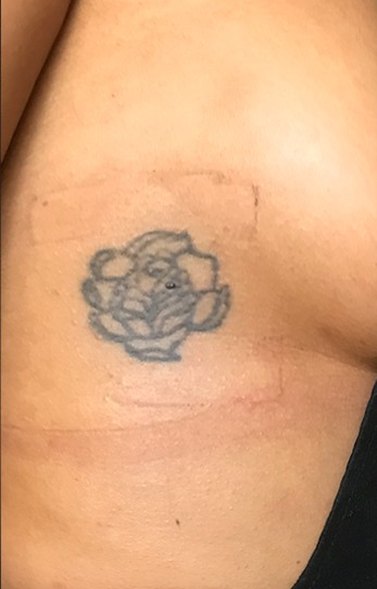
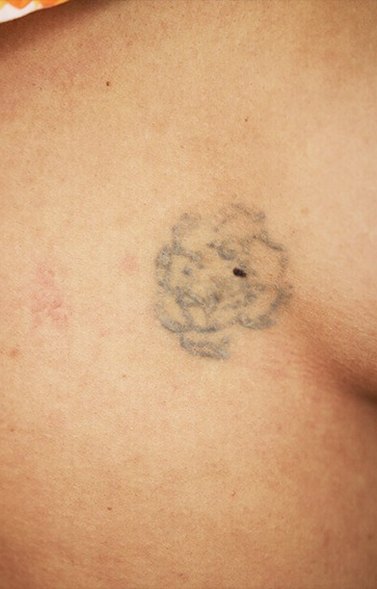
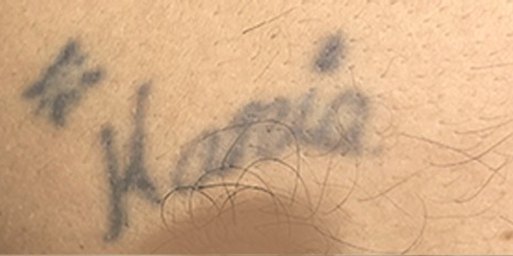
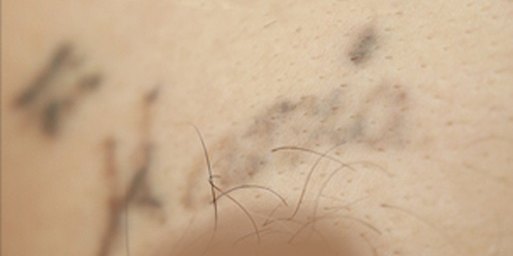
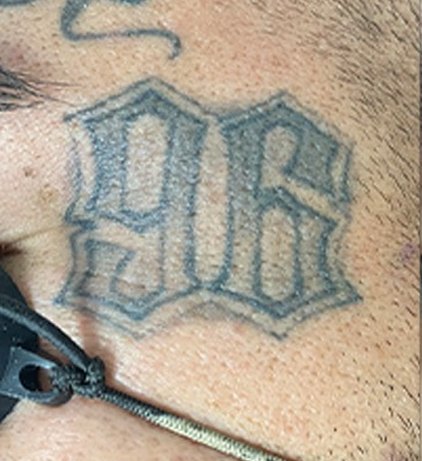
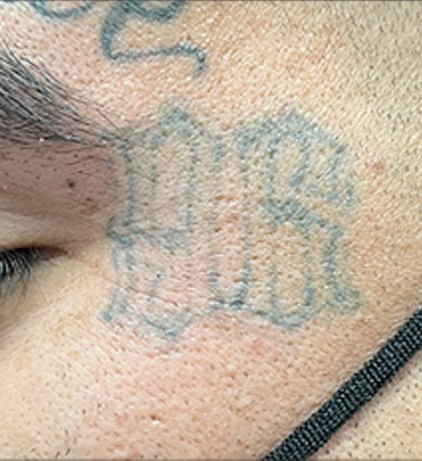
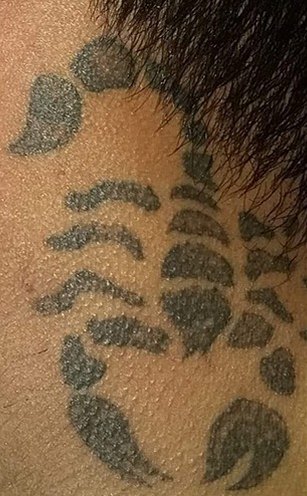
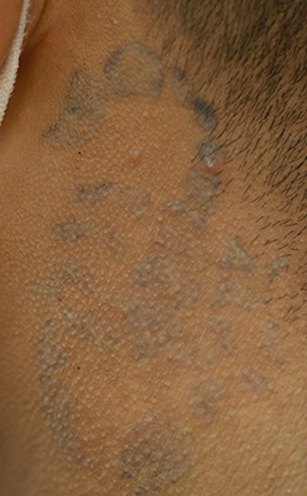
Each session lightens it a little: your body clears the ink over the following weeks, which is why sessions are spaced six to eight weeks apart. How many you need depends on the colour, the depth and how old the tattoo is; we tell you at the assessment, before we start.

How it works
Ink doesn't get erased.
It gets shattered.
We work with a Q-switched Nd:YAG laser. Nd:YAG is the crystal that generates the light. Q-switched means it doesn't release it in a steady beam: it stores it and fires it in nanosecond pulses, billionths of a second.
1 · The pulse
It is so short that the ink absorbs all the energy before the heat has time to spread into the surrounding skin. That is the trick: the pigment heats up, not what is around it.
2 · The shattering
The ink particle expands all at once and breaks into tiny fragments. The snapping sound you hear during the session is that, not your skin.
3 · Your body
The fragments are now small enough for your immune cells to pick up and carry out through the lymphatic system. That is where the tattoo really fades: in the weeks after the session, not during it.
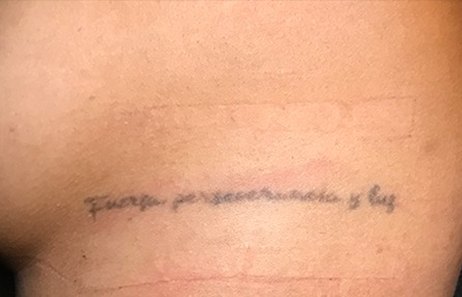
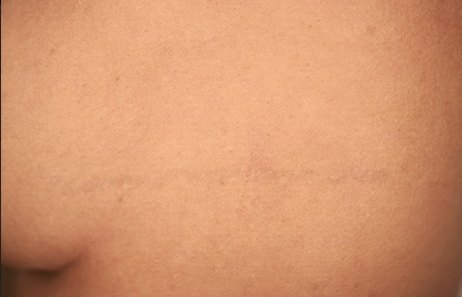
1064 nm, for black
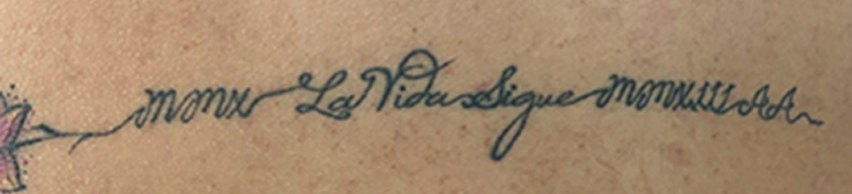
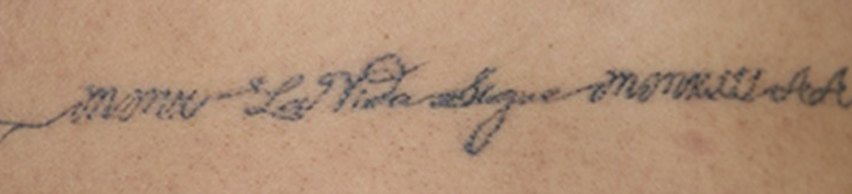
This is the wavelength that reaches deepest and reads black and navy ink best, which is what most tattoos are made of. It is also the safest on brown skin, because melanin absorbs less of it.
532 nm, for red
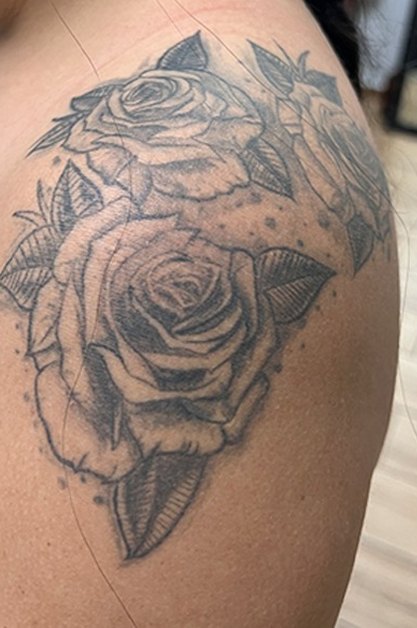
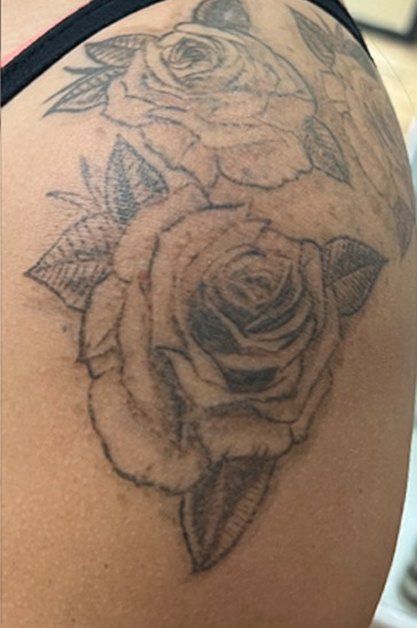
It stays shallower and works on reds, oranges and some browns. Greens and light blues are the most stubborn of all: they do fade, but they ask for more patience and don't always go completely.
The day of the session
It feels like a rubber band snapping against the skin. It doesn't last long: most pieces are done in minutes. As the laser passes, the area turns white for a few minutes, from the gas that forms underneath, and then goes red and swollen, like sunburn.
Blisters or scabs can appear in the first few days. That is part of the process as long as they are not popped or scratched: that is what decides whether a mark is left behind.
How many sessions
There is no single number for everyone. What counts is how much ink there is and how deep it went, whether a professional or an amateur did it, how old it is, and where on the body it sits: the farther from the heart, the slower it fades, so an ankle takes longer than a chest.
We leave six to eight weeks between sessions. It isn't a scheduling thing: it is the time your body needs to clear the shattered ink. Rushing it speeds up nothing and punishes the skin.
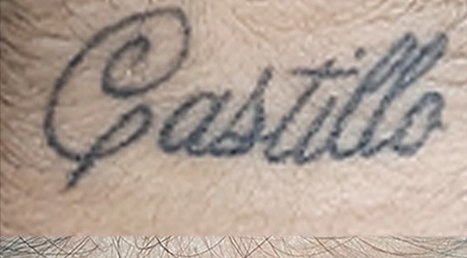
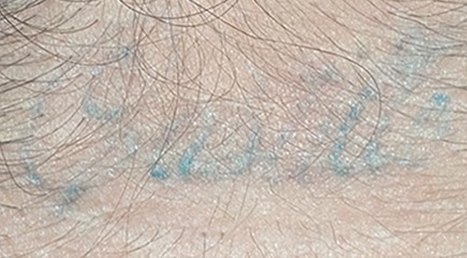
Lightening is not erasing
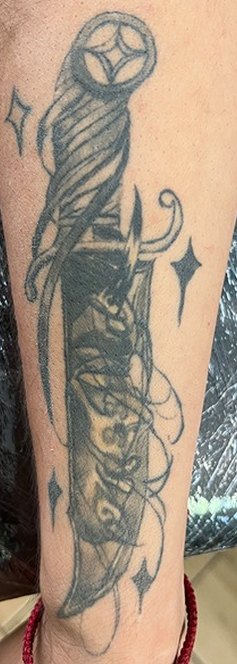
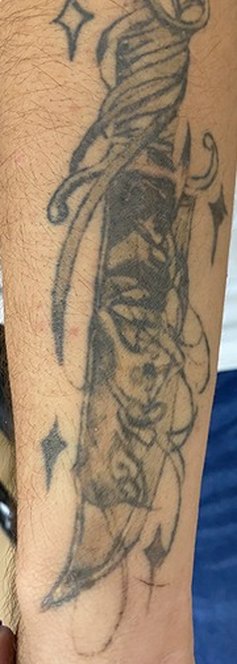
If what you want is to cover it with another tattoo, there is no need to go all the way. Two to four sessions usually lighten it enough for the new design to read clean. It is faster, cheaper and kinder to the skin.
What we won't promise you
That no trace will be left. Almost always it all goes, or nearly all, but some inks leave a shadow and the skin can end up a different tone or texture.
White, flesh-toned and several micropigmentation pigments can darken with the first shot, because of how their components react. So when they are present, we test a small spot first and wait before going on.
Before you book
There are cases we can't treat, or where we have to wait: pregnancy or breastfeeding, tanned or sunburnt skin on the area, recent isotretinoin treatment, any infection or open wound right there, and a history of keloids or melasma, which we assess separately.
Between sessions the area can't take direct sun: cover it or use sunscreen. Tanned skin forces us to lower the power and stretch the treatment out.
This is general information so you arrive knowing what to expect. What applies to your tattoo is decided at the assessment, looking at your skin and your piece.